AI Compliance Monitoring in Call Centers: A Practical Framework
By Track Agent · Published · Updated
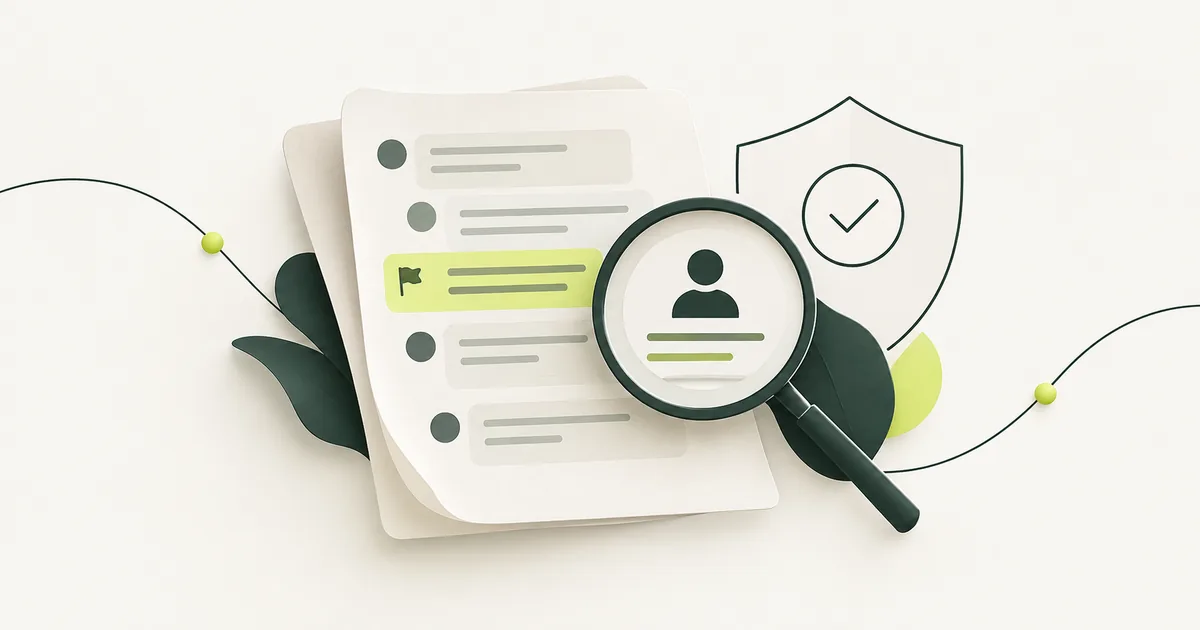
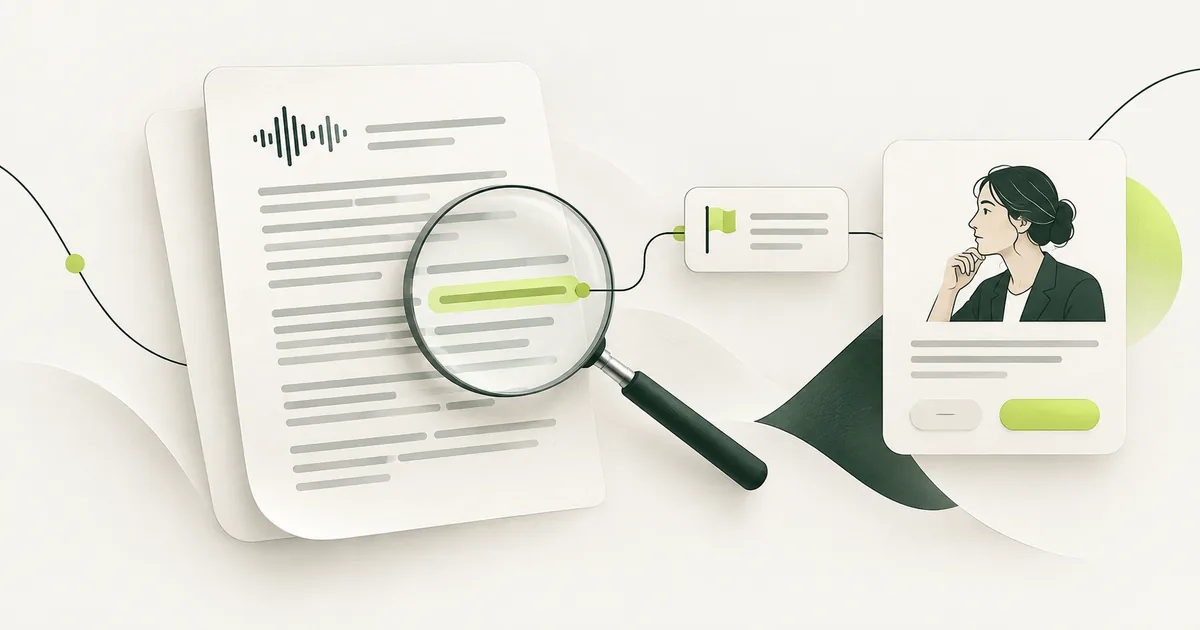
A flagged call is the beginning of a compliance review. It is not proof that a law was broken, and a clean score is not proof that every obligation was met. AI compliance monitoring is useful when it helps a team find relevant evidence, apply approved rules and assign the right response.
For US call centers and BPOs, the starting point is the campaign's actual obligations. Sales, support, recording, data collection and account changes involve different questions. This guide describes a monitoring program; a qualified legal or compliance reviewer must determine the rules that apply to a particular operation.
Create a Campaign Rule Register
Translate approved requirements into reviewable criteria. Keep client policy separate from legal obligations so a missed internal greeting is not presented as a statutory violation.
For each rule, record its owner, applicable workflow, effective version, triggering condition, required evidence and escalation path. Include exceptions and the circumstances in which the system must abstain from judging.
Notice timing illustrates why precision matters. California's Attorney General describes the CCPA notice at collection as due at or before collecting personal information for covered businesses. That is not a universal “first 30 seconds of the call” rule. Use the official CCPA guidance and an applicability review to define the actual procedure.
Separate Prevention, Detection and Review
These controls answer different questions:
| Layer | Example | What it cannot establish alone |
|---|---|---|
| Before an action | Require account verification before an account change | Whether every spoken statement was appropriate |
| During a workflow | Enforce an approved action limit in the connected service | Whether a later reviewer will have complete evidence |
| After a call | Flag a statement that may conflict with the approved policy | Whether the statement is a confirmed legal violation |
| Human review | Resolve a flag using context and applicable requirements | Whether all unreviewed calls were free of problems |
For an AI caller, action permissions should be enforced outside the language model. Telling a model to respect a refund limit does not replace a server-side limit. Post-call QA can then compare what the agent said with what the system allowed and actually did.
Build an Evidence Packet for Each Flag
Give the reviewer the relevant transcript excerpt, timestamps, recording where permitted, applicable policy version and any necessary action records. Restrict access to the correct client and case. Avoid copying unnecessary sensitive data into broad coaching reports.
A useful packet separates the observation from the interpretation. “The agent said the refund was complete” is an observation. “The refund service returned a failure” is another. Together they support a false-completion concern; the response still depends on the business context and governing rules.
If the opening audio is missing, report that limitation. A disclosure not found in a partial transcript is different from a disclosure confirmed absent in a complete, reliable recording.
Decide Which Findings Need Immediate Attention
Define severity by the potential consequence and the evidence available. Suspected unauthorized actions, sensitive-data exposure or ignored stop requests should have clear escalation owners. A reviewer should be able to distinguish urgent containment from a routine coaching task.
Use an explicit review state: suspected, under review, confirmed under the applicable rule, dismissed with reason, or unresolved. Preserve changes to the finding so the audit record explains who decided what and why.
For practical call examples, see how AI flags possible compliance violations.
Test the Monitoring Program Before Expanding It
Include calls with known issues, compliant calls and ambiguous cases in a reviewed evaluation set. Test whether the system finds the expected issue and whether it flags unrelated language by mistake. Repeat the check after a policy, rubric or model change.
Track the number of eligible calls, usable evidence, assessed criteria, suspected findings and reviewer decisions. A low alert count may mean fewer issues, weak detection or missing recordings. These explanations require different actions.
Retain both risk-based review and a random sample. Reviewing only flagged calls makes it hard to discover what the detector missed. Expand scope when the team can explain errors and manage the review workload, not merely when the dashboard looks quiet.
Assign Retention and Access by Record Type
Recordings, transcripts, consent records, action receipts and QA decisions do not automatically need the same retention policy. Establish the requirements and deletion or preservation process for each. A CRM link makes records easier to find; it does not itself satisfy recordkeeping obligations.
The CRM integration guide discusses the specific TSR recordkeeping provision and why it should not be interpreted as a blanket instruction to retain every recording.
Evaluate the Workflow, Not a Compliance Badge
Bring one approved rule and an example call to a call QA discussion. Ask to see the evidence, incomplete-data state, reviewer correction and action trail. Confirm actual supported controls and responsibilities for your deployment.
Frequently Asked Questions
Can AI certify that a call is compliant?
No. It can help identify and organize possible issues within defined criteria. Legal interpretation, applicability and final decisions require appropriate expertise and oversight.
Does post-call detection prevent the original mistake?
No. It helps investigate and improve future behavior. Controls that must stop an action need to run before that action completes.